
Body and weather · 8 min

Understand body heat

Heat is produced, transferred and lost.

The body can keep its core temperature stable only within limited conditions. Activity, clothing, wind, moisture and contact with cold surfaces affect the heat balance at the same time.

Your learning progressSaved on this device.

Lesson guide

Procedure

Foundation8 min

Prepare, complete each step and verify the result.
Before you start

  • Check the immediate environment, weather, available time and personal condition.
  • Prepare the required equipment and define the point at which you will stop or change the plan.

Success criteria

  • Check wind, moisture and ground contact
  • Adjust clothing before exertion changes
  • Keep a dry reserve accessible

Practical task

  1. Complete the first practical criterion: Check wind, moisture and ground contact.
  2. Name the condition that would make you stop, change the plan or seek qualified help.

If conditions change

  • Choose the simpler option with the larger safety margin when material, time or information is missing.
  • Reassess the route, shelter or method whenever conditions change.

Detect and correct errors

  • If “Fixed percentages for heat loss from individual body parts are misleading” occurs, stop and return to the last controlled step.
  • On pain, confusion, unstable construction, contamination or worsening weather: stop and reassess.
Diagram showing four routes of body heat loss
Explanation

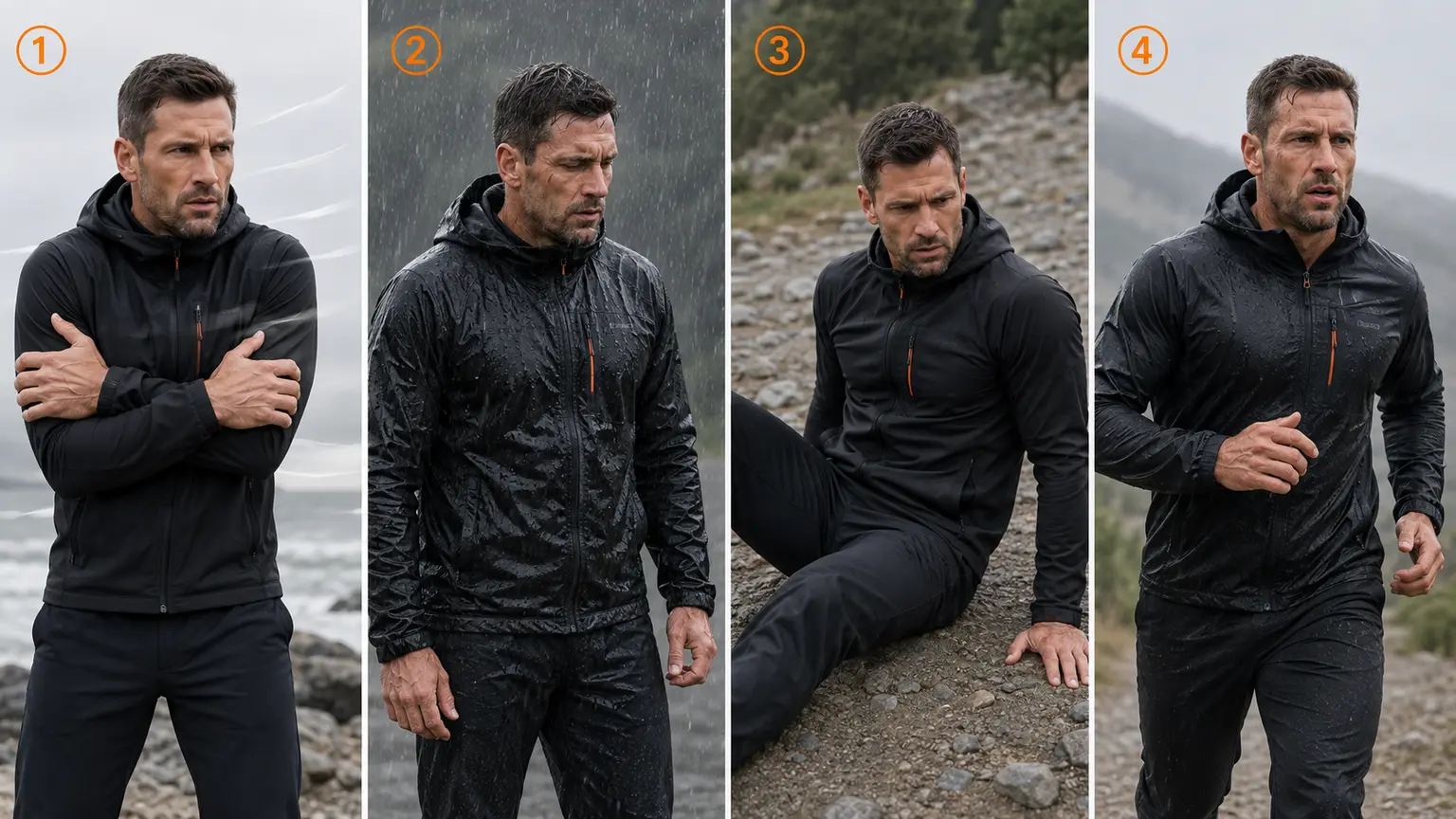
Observe four routes: radiation, evaporation, moving air and direct contact.

Learning goals

01

Four routes

The body radiates heat to its surroundings; moving air carries heat away; moisture consumes heat as it evaporates; and direct contact transfers heat into colder surfaces. Several routes usually act together.

02

Regulate activity

Excess effort can soak clothing. Once movement stops, the body then cools more rapidly. Reduce pace or open a layer before heavy sweating begins.

03

Prepare stops

Before a stop, seek wind shelter, keep a dry insulating layer accessible and avoid direct contact with cold ground. Do not wait for shivering or loss of dexterity.

Practical check

  • Check wind, moisture and ground contact
  • Adjust clothing before exertion changes
  • Keep a dry reserve accessible

Important

  • Fixed percentages for heat loss from individual body parts are misleading
  • Do not underestimate wet clothing combined with wind
  • Do not mistake exhaustion for unwillingness

Decision drill

A fast ascent is followed by a long stop in the wind. What should you do first?

  1. ALet sweat cool on the body
  2. BSeek wind shelter and add a dry layer
  3. CDrink more and remain standing unchanged
Show answer

Correct: B. The end of exertion, moisture and wind worsen heat balance simultaneously. Shelter and dry insulation take priority.

Understand body heat | FIGHTandSURVIVE | FIGHTandSURVIVE