
LEARNING PATH 04 · SURVIVAL
TURN KNOWLEDGE INTO CAPABILITY.
Assess weather, preserve body heat, secure water and fire safely and create suitable shelter. Learn concrete decisions rather than generic survival rules.
ELEVEN STAGES
One connected system
STAGE 01
Body and weather
Understand heat balance, recognise strain early and respond to cold, wind and wet conditions.
Start this stage →02STAGE 02
Clothing and protection
Select layers, materials and fit while preserving protection, movement and circulation.
Start this stage →03STAGE 03
Equipment and organisation
Select essential equipment, practise its safe use and keep it accessible.
Start this stage →04STAGE 04
Water and hygiene
Plan need, choose sources responsibly and treat and store water safely.
Start this stage →05STAGE 05
Fire
Prepare, use, supervise and extinguish fire under control.
Start this stage →06STAGE 06
Shelter
Combine site, wind protection, ground insulation and construction safely.
Start this stage →07STAGE 07
Food from nature
Assess need realistically and use only species identified with certainty.
Start this stage →08STAGE 08
First aid
Recognise danger and act effectively until professional help arrives.
Start this stage →09STAGE 09
Natural hazards
Recognise and avoid terrain, water, ice, weather, fire and animal hazards.
Start this stage →10STAGE 10
Lost and decision-making
Stop, stabilise and compare waiting, returning, sheltering and continuing.
Start this stage →11STAGE 11
Orientation and navigation
Combine terrain, map, compass and modern tools reliably.
Start this stage →COMPLETE ENGLISH PATH
All Survival lessons
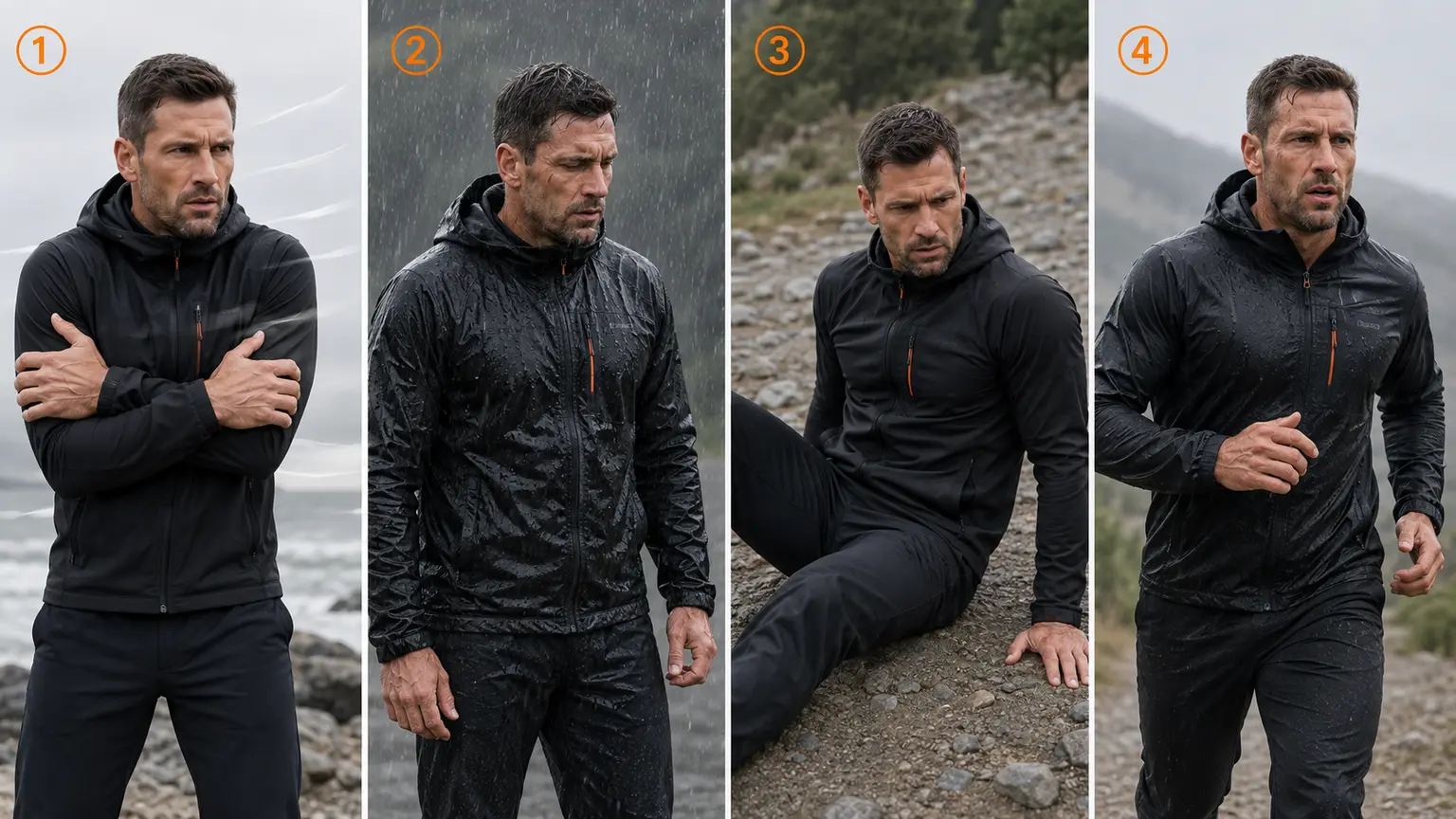
Understand body heat
Heat is produced, transferred and lost.
Open English lesson →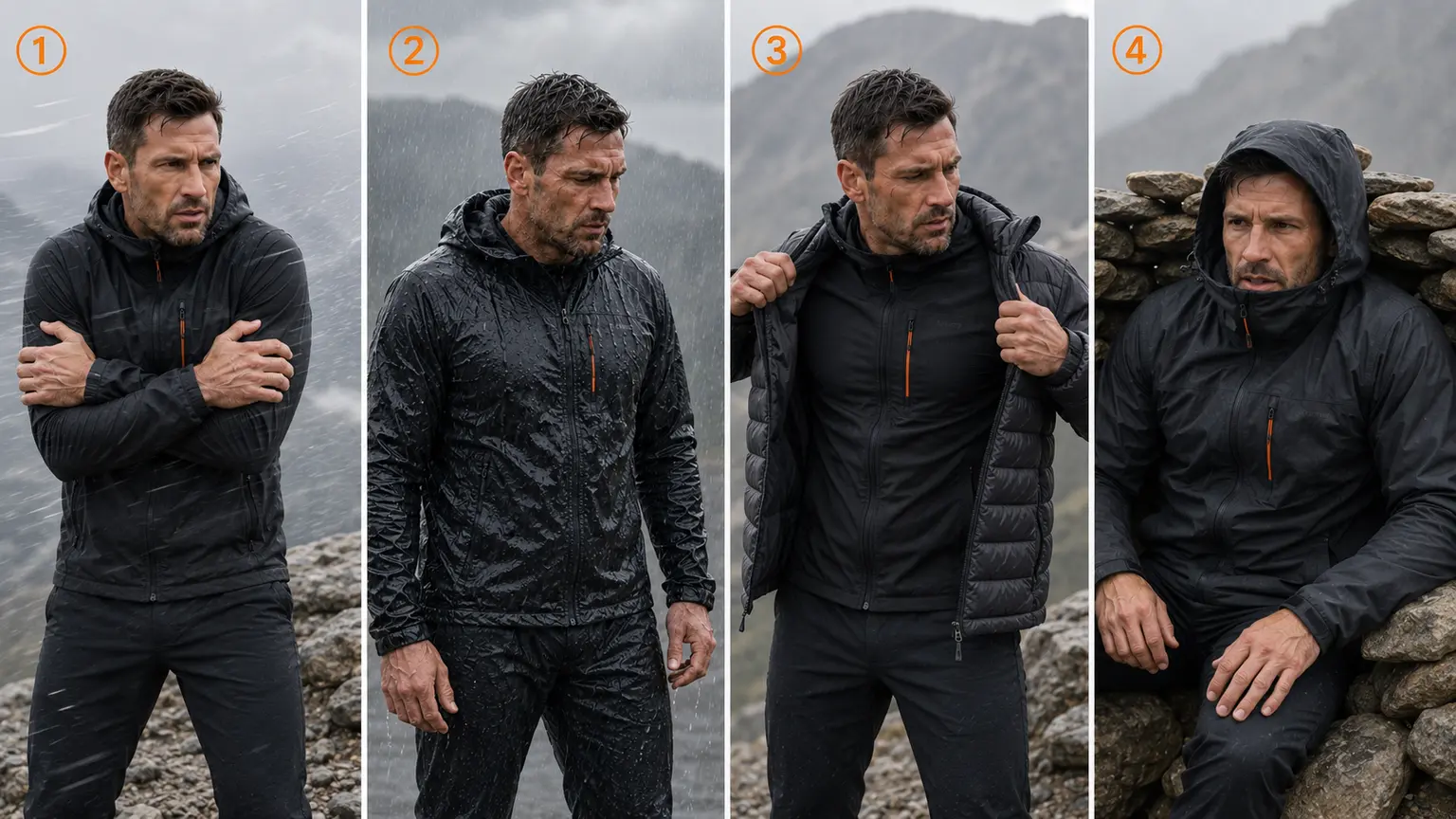
Cold, wind and wet conditions
Assess experienced strain, not temperature alone.
Open English lesson →
Observe weather development systematically
Assess warnings, clouds, wind and pressure together.
Open English lesson →
Use a layering system
Move moisture, retain heat and block the weather.
Open English lesson →
Select clothing materials
Compare properties, not labels.
Open English lesson →
Fit, mobility and circulation
Protection must not restrict movement or blood flow.
Open English lesson →
Protect head, hands and feet
Protect exposed areas without losing capability.
Open English lesson →
Assemble and maintain emergency equipment
Pack for the actual people, conditions and duration, then carry the completed kit on a trial walk.
Open English lesson →
Select and maintain cutting tools
Choose a tool for the exact job, secure the workpiece and stop when the tool slips or becomes damaged.
Open English lesson →
Pack a rucksack and distribute the load
Keep equipment accessible, dry and carryable over time.
Open English lesson →
Water needs and warning signs
Increase the water allowance when conditions demand it and act when warning signs appear.
Open English lesson →
Find and collect water
Use the safest source first and separate raw water from treated water.
Open English lesson →
Treat and store water safely
Reduce turbidity, treat pathogens and prevent recontamination.
Open English lesson →
Plan a safe fire site
Decide on location, ground and extinguishing resources before the first spark.
Open English lesson →
Prepare tinder and fuel
Build a complete progression from the finest material to sustained embers.
Open English lesson →
Work with damp wood and winter conditions
Expose dry heartwood and separate the fire from snow and meltwater.
Open English lesson →
Build a complete ignition chain
Match the ignition source to prepared tinder and graduated fuel.
Open English lesson →
Build a teepee or log-cabin fire
Choose a structure that preserves airflow and can be controlled.
Open English lesson →
Prepare alternative fire-lighting methods
Practise safe redundancy before an emergency.
Open English lesson →
Choose fire layouts for cooking and warmth
Match size and structure to the task without creating extra risk.
Open English lesson →
Use, supervise and extinguish a fire
Continuous control continues until the site is cold.
Open English lesson →
Estimate remaining daylight
Use a rough field estimate only as a conservative planning aid.
Open English lesson →
Build an improvised pre-filter
Remove coarse particles before the actual treatment step.
Open English lesson →
Combine water-treatment methods
Match each method to the hazard it can actually reduce.
Open English lesson →
Use a tarp in several configurations
Choose the pitch for wind, rain, ground and available anchors.
Open English lesson →
Assess shelter needs and select a site
Avoid hazards before constructing anything.
Open English lesson →
Use natural cover safely
Gain protection without accepting hidden collapse or water hazards.
Open English lesson →
Build a shelter frame and cover
Use a stable load path, weatherproof cover and adequate ventilation.
Open English lesson →
Assess snow shelters safely
Treat collapse, ventilation, cold and avalanche exposure as primary risks.
Open English lesson →
Plan a longer-term shelter
Balance protection, hygiene, water, fire safety and resource use.
Open English lesson →
Organise bedding and warmth safely
Insulate from the ground while preserving ventilation and fire safety.
Open English lesson →
Prioritise food realistically
Secure rescue, water and protection before spending energy on uncertain food.
Open English lesson →
Collect wild plants safely
Use only species identified with certainty; taste is not proof of safety.
Open English lesson →
Learn about edible wild plants, fruit and fungi
Species profiles support learning, not identification from a photograph.
Open English lesson →
Read animal and human tracks systematically
Assess shape, surroundings and track sequence together.
Open English lesson →
Animal food: law and hygiene
Use lawful provenance and controlled food safety, not improvised hunting.
Open English lesson →
First aid: scene safety, overview and emergency call
Protect yourself, identify immediate threats and activate professional help.
Open English lesson →
Unconsciousness and the recovery position
Maintain an open airway and monitor breathing continuously.
Open English lesson →
Adult CPR and AED
Recognise abnormal breathing, compress the chest and use an AED promptly.
Open English lesson →
CPR for children and infants
Adapt technique to body size and provide breaths when able.
Open English lesson →
Choking and airway obstruction
Distinguish an effective cough from severe obstruction and act quickly.
Open English lesson →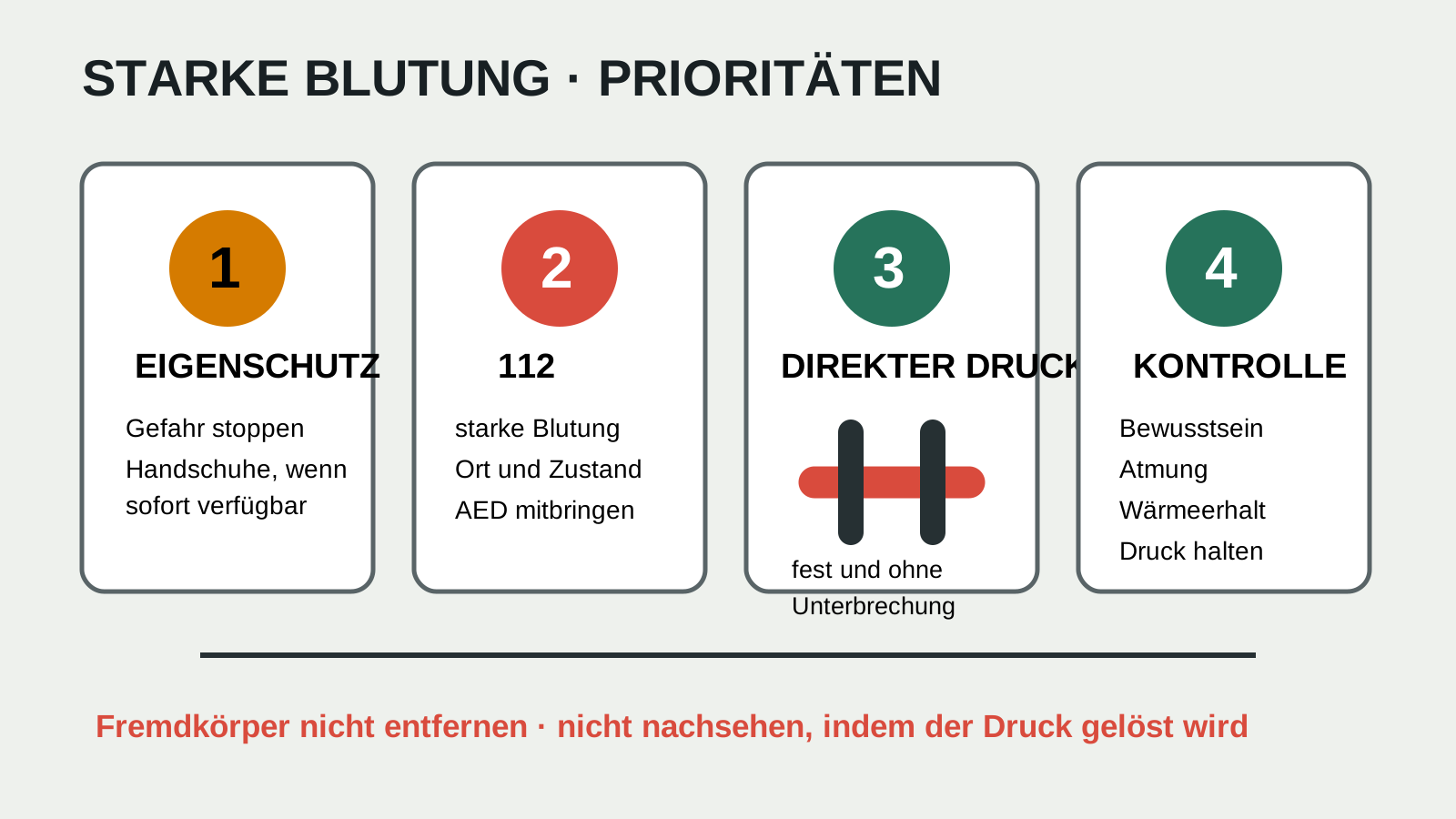
Severe bleeding and shock
Apply direct pressure, call early and prevent further deterioration.
Open English lesson →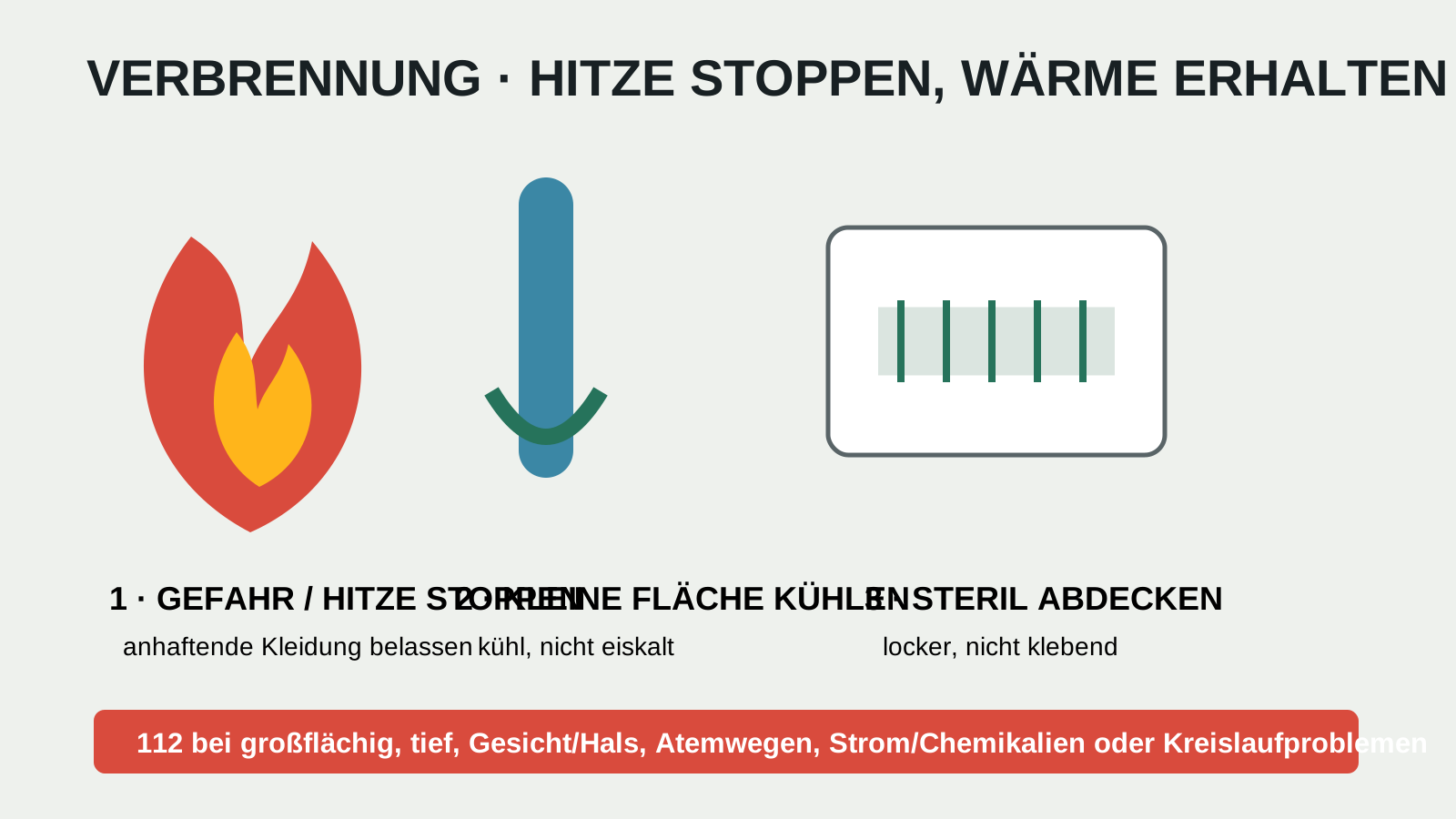
Burns and scalds
Stop the burning process, cool appropriately and protect the injury.
Open English lesson →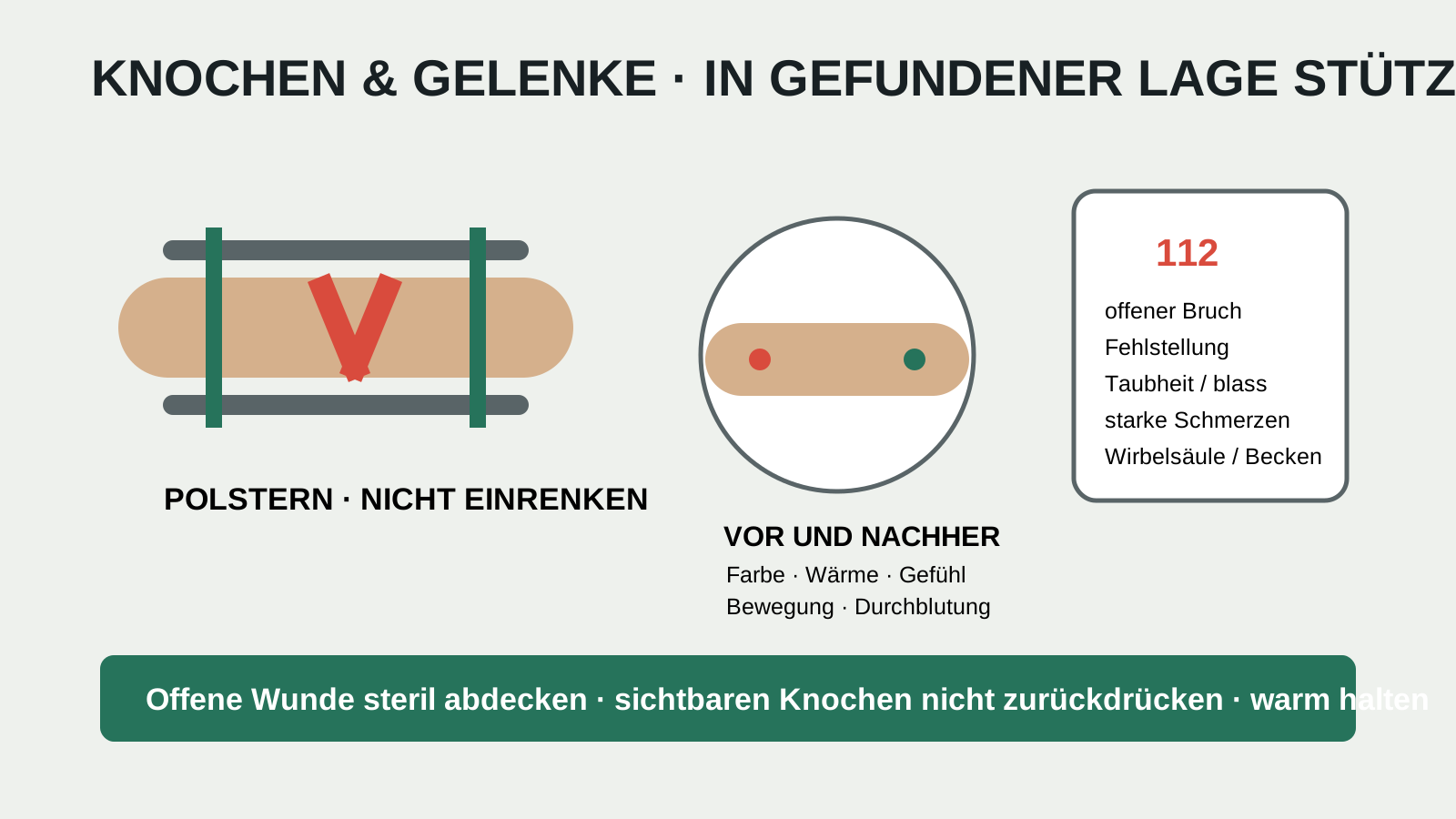
Bone, joint and spinal injuries
Support the position found and avoid unnecessary movement.
Open English lesson →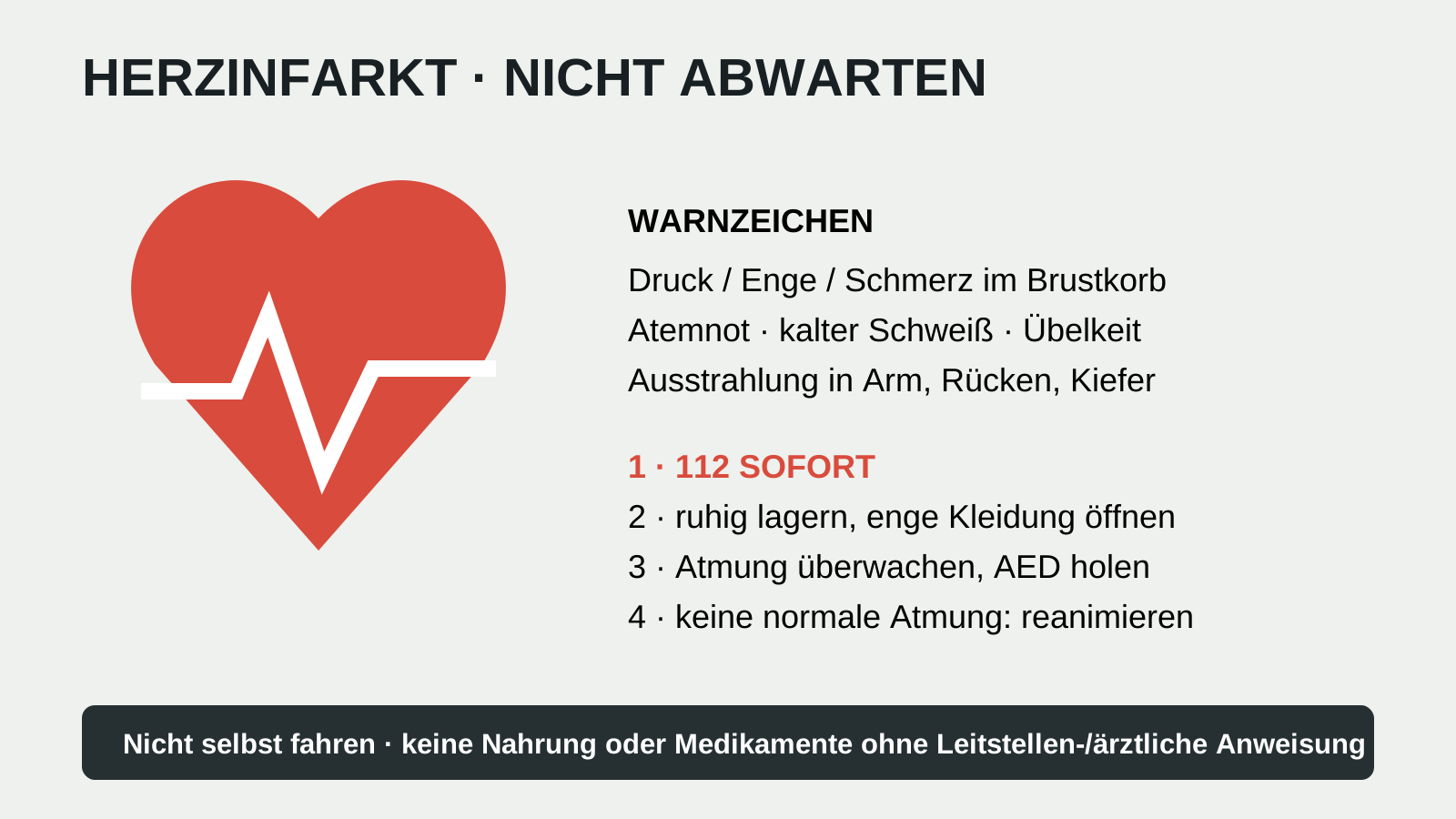
Recognise and respond to a heart attack
Call early when chest symptoms suggest a time-critical emergency.
Open English lesson →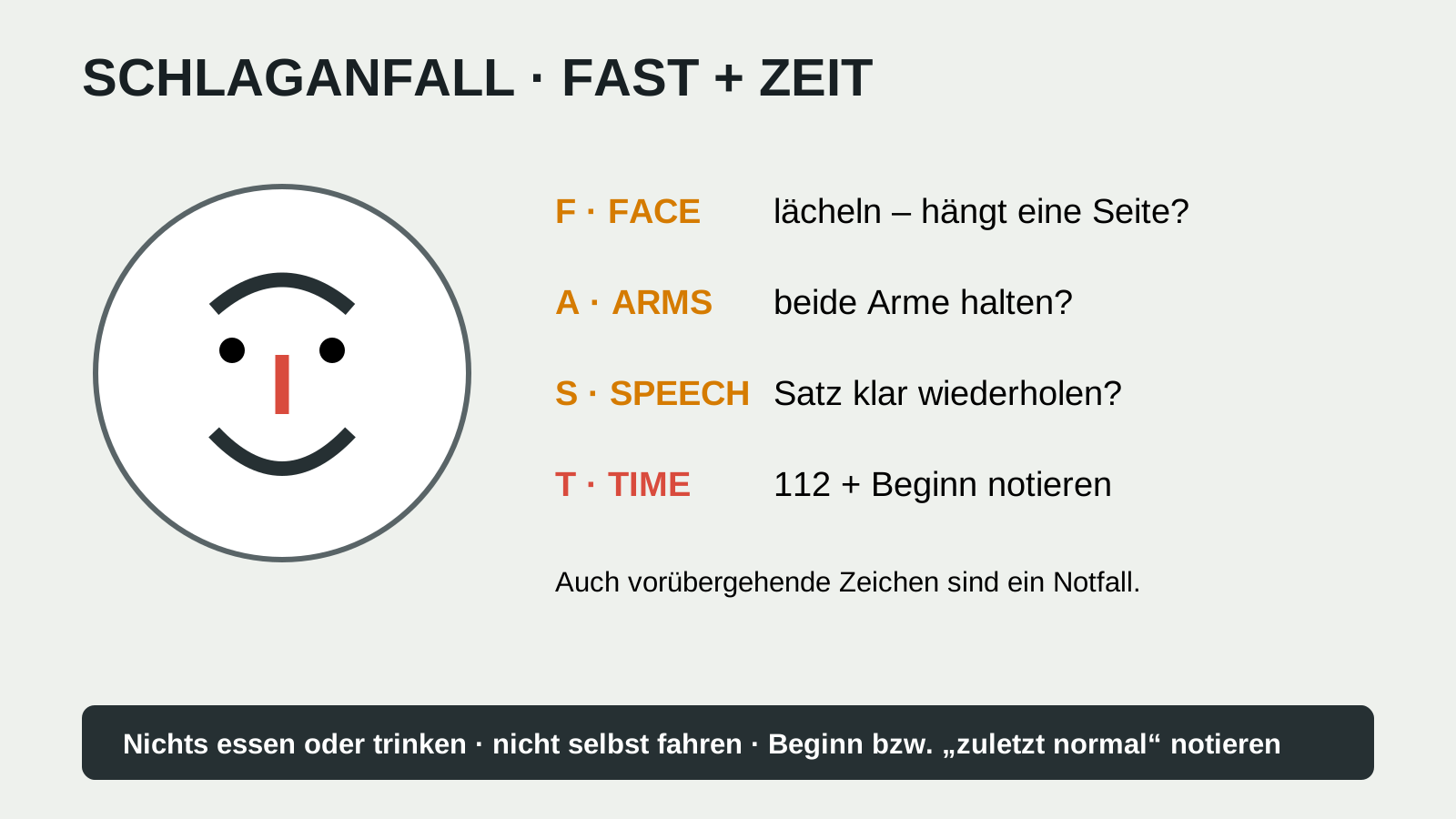
Stroke and the FAST test
Recognise sudden neurological changes and call immediately.
Open English lesson →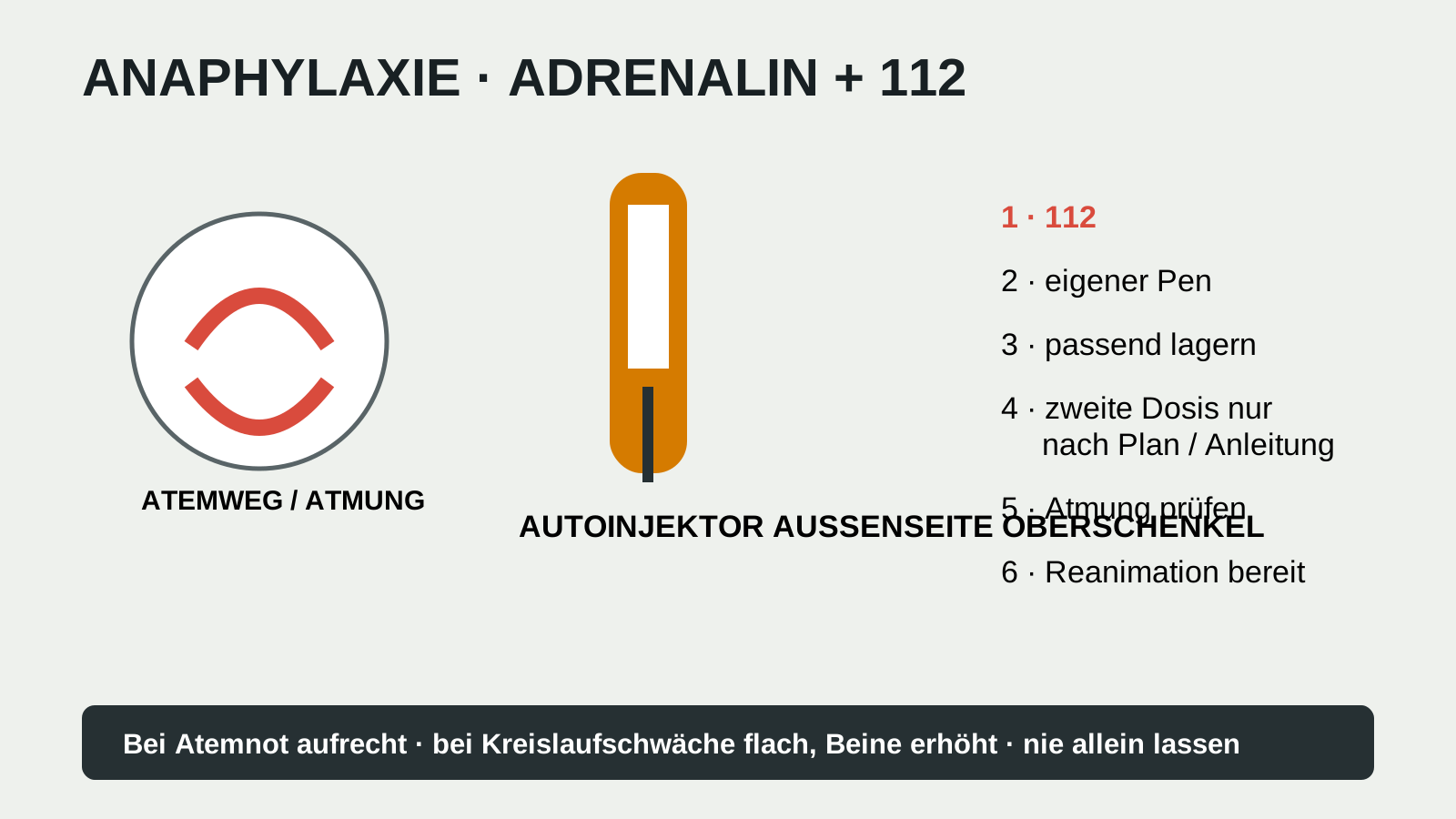
Anaphylaxis and allergic shock
Use prescribed adrenaline promptly and summon emergency help.
Open English lesson →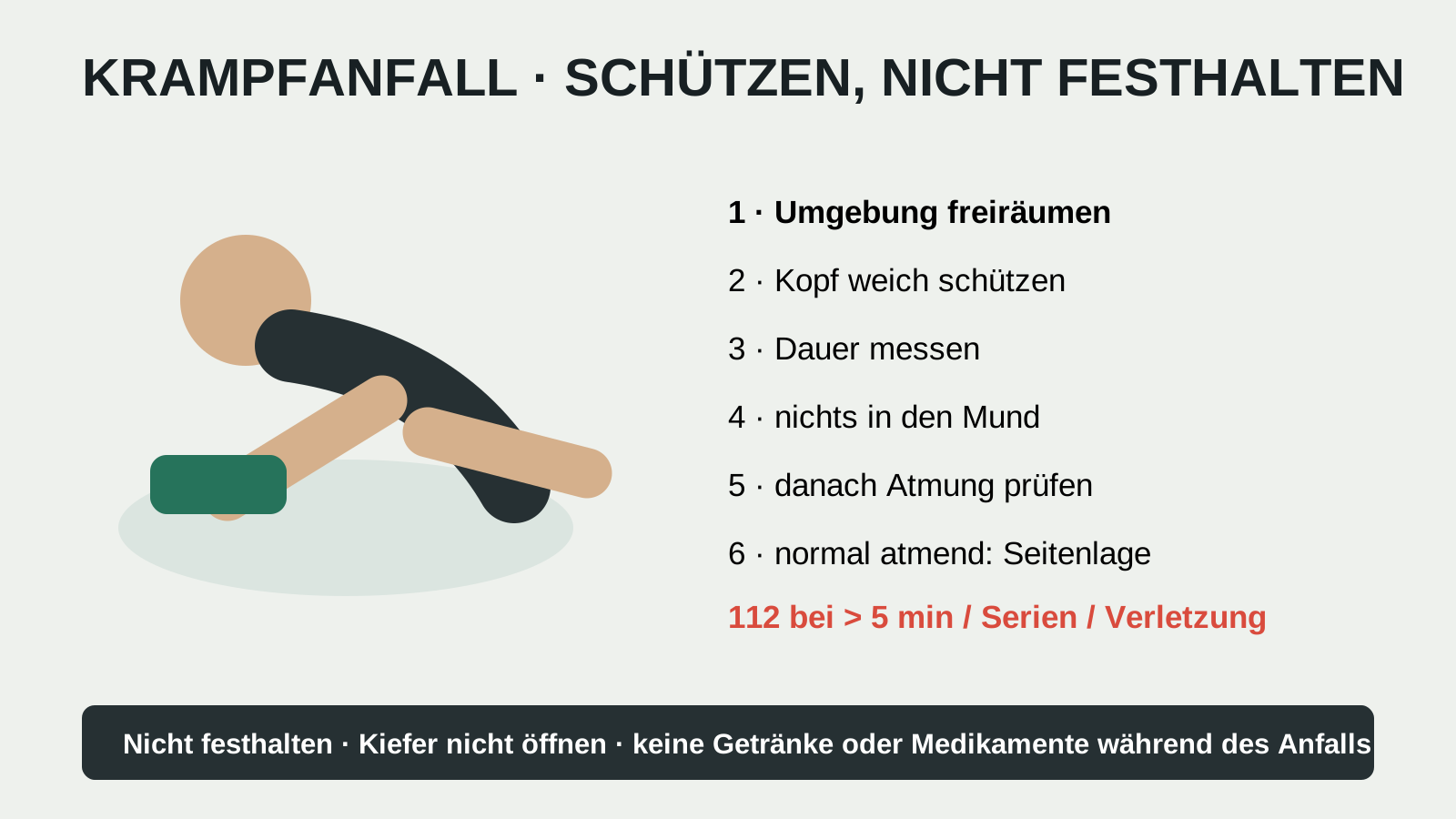
First aid for a seizure
Protect from injury, time the seizure and preserve breathing.
Open English lesson →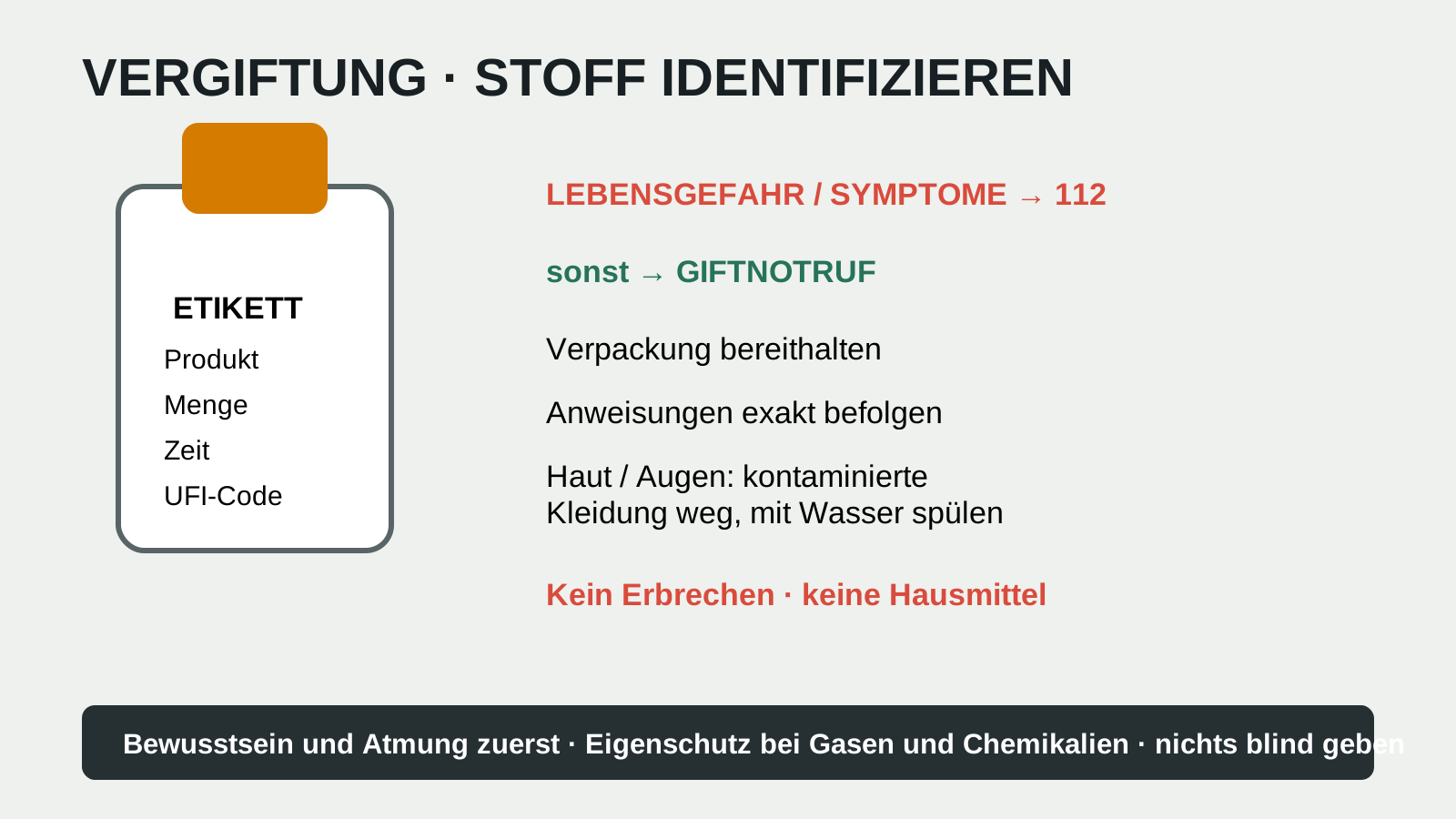
Suspected poisoning and poison-centre advice
Secure the substance, assess symptoms and obtain expert guidance.
Open English lesson →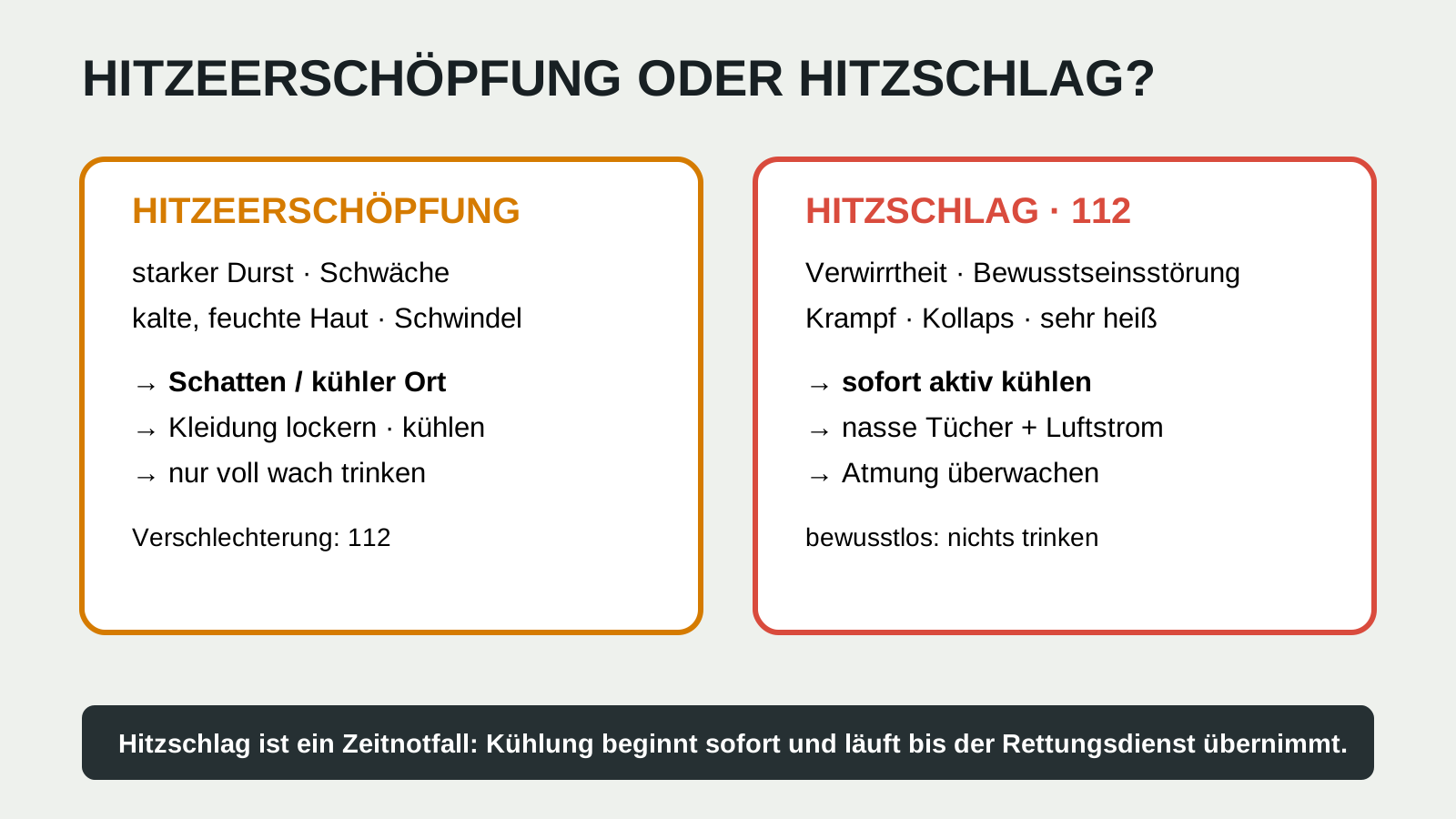
Heat exhaustion and heatstroke
Stop exertion, cool early and treat altered mental state as an emergency.
Open English lesson →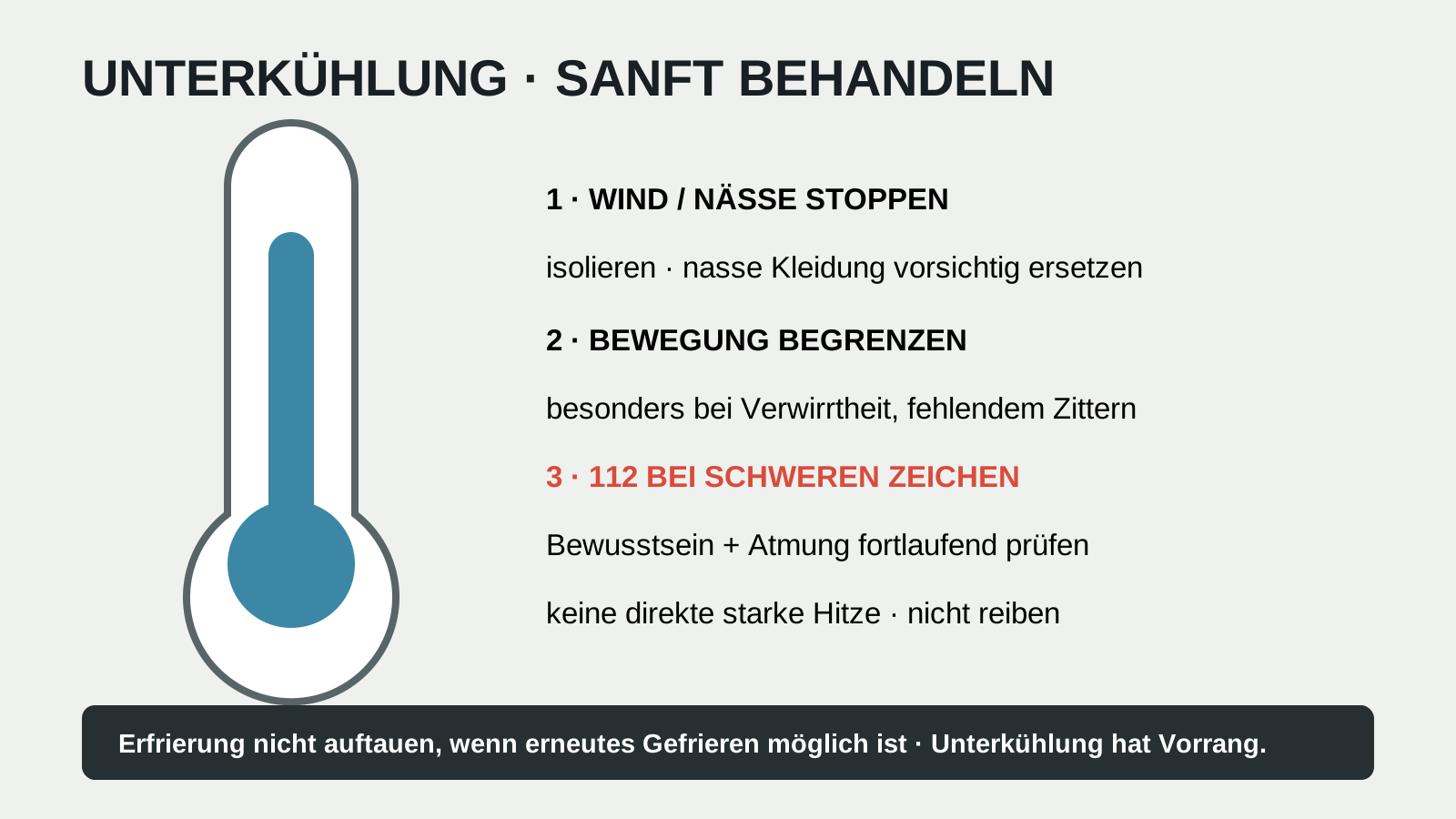
Hypothermia and frostbite
Prevent further cooling and rewarm gently without rubbing tissue.
Open English lesson →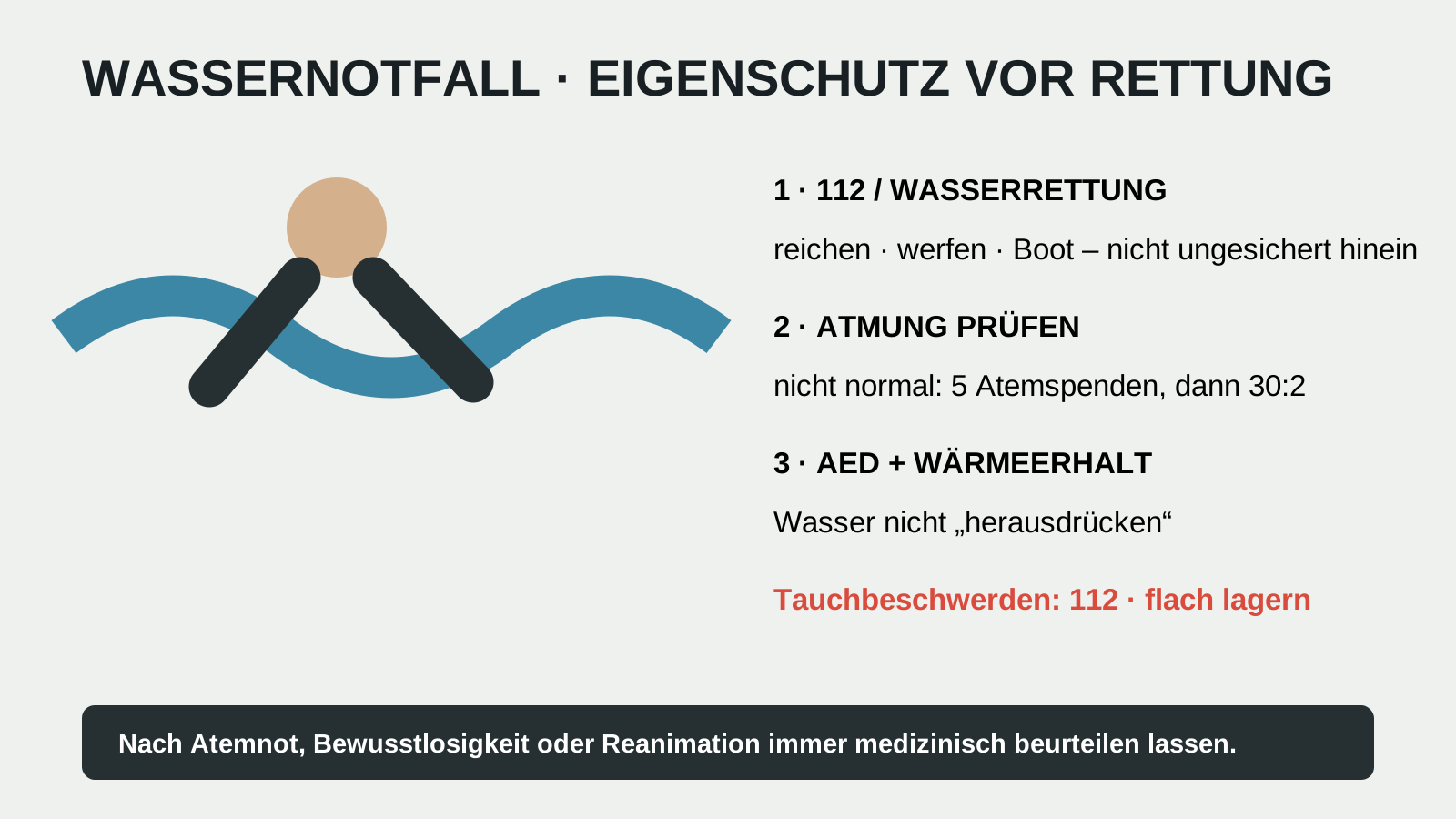
Drowning and diving incidents
Do not become a second casualty; restore breathing and seek urgent help.
Open English lesson →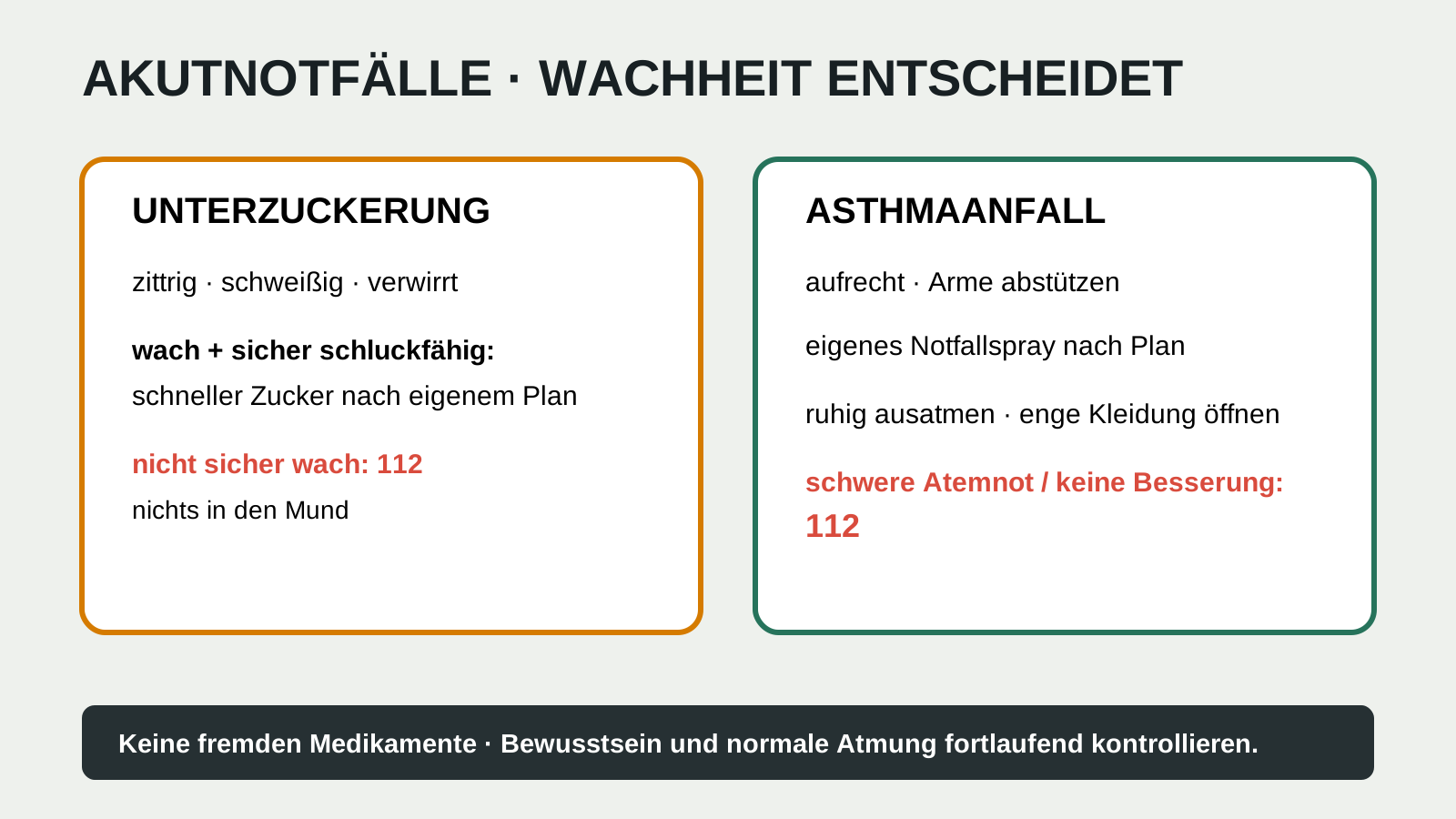
Low blood sugar and asthma attack
Recognise the person's known condition and support their prescribed treatment.
Open English lesson →
Recognise technical limits on steep terrain
Turn back before ordinary movement becomes uncontrolled climbing.
Open English lesson →
Assess flowing water and avoid hazardous crossings
Changing depth, current and temperature make crossings unpredictable.
Open English lesson →
Ice surfaces: prevent immersion and help safely
No visual rule can guarantee that natural ice is load-bearing.
Open English lesson →
Recognise rockfall and avoid danger zones
Read terrain, recent debris and freeze–thaw or storm conditions.
Open English lesson →
Thunderstorms and lightning
Enter substantial shelter early; distance estimates do not create safety.
Open English lesson →
Recognise, report and leave a wildfire
Move early using official instructions and avoid smoke and uphill fire spread.
Open English lesson →
Protect against mosquitoes, fleas, lice and ticks
Combine clothing, repellents, inspection and correct removal.
Open English lesson →
Snake encounters and snakebite
Create distance, immobilise the person and obtain urgent medical help.
Open English lesson →
Animal bites, infection and rabies
Wash immediately and obtain prompt medical risk assessment.
Open English lesson →
Encounters with large wildlife and unfamiliar dogs
Avoid surprise, create distance and do not trigger pursuit.
Open English lesson →
Fish and other aquatic-animal injuries
Leave the water, control bleeding and identify venom or infection risks.
Open English lesson →
Lost: stop and stabilise the situation
Prevent uncertainty from becoming uncontrolled movement.
Open English lesson →
Decide whether to wait, return or continue
Compare evidence, consequences and resources instead of acting from pressure.
Open English lesson →
Select a safe emergency camp site
Choose hazard avoidance, shelter and visibility before comfort.
Open English lesson →
Organise camp hygiene and tasks
Separate clean and contaminated work and make responsibility visible.
Open English lesson →
Plan distance, time and exertion
Use the slowest sustainable pace and protect a turnaround reserve.
Open English lesson →
Estimate distance by calibrated pace counting
Measure your own pace count on known ground and adjust for conditions.
Open English lesson →
Orient without technical tools
Use several terrain and celestial clues while preserving uncertainty.
Open English lesson →
Orient by the sun, shadow, moon and stars
Apply practical methods with stated limits instead of folklore.
Open English lesson →
Read landforms and contour lines
Translate contour shape and spacing into terrain.
Open English lesson →
Use map symbols, scale and coordinates
Read the legend, convert distance and state coordinate systems explicitly.
Open English lesson →
Orient a map with a compass
Align map north with the terrain while controlling magnetic interference.
Open English lesson →
Determine position by terrain association
Match several independent mapped features to the landscape.
Open English lesson →
Transfer direction between map and ground
Set a bearing, correct references and select a visible intermediate target.
Open English lesson →
Bypass obstacles and recover the route
Use deliberate offset legs and record direction and distance.
Open English lesson →
Estimate distance, height and slope
Compare two practised methods and state the likely range.
Open English lesson →